
Care Guide
Light
Indoors, Xanadu prefers bright, indirect light.
Give it plenty of good ambient light while protecting it from prolonged harsh sunlight through glass, which can damage foliage.
Water
Xanadu prefers moisture but also requires good drainage.
Water thoroughly, allow excess water to drain, and let the upper portion of the potting mix begin drying before watering again. Consistently saturated soil should be avoided; yellowing foliage can be associated with overwatering.
Rather than following a rigid schedule, check the soil and learn how quickly your plant uses water in its particular location.
Humidity
Some humidity is appreciated, but Xanadu does not need to live inside a greenhouse cabinet to be enjoyed as a houseplant.
Normal household conditions can work well. If additional humidity is provided, good airflow remains important.
Temperature
Warm, stable household temperatures are best.
Xanadu is tropical and should be protected from cold drafts and significant temperature drops. NC State recommends approximately 65–75°F for indoor growing.
Fertilizer
During active growth, feed periodically with a balanced houseplant fertilizer according to the product directions.
There is no need to push the plant into rapid growth. Appropriate light, healthy roots, and consistent care provide the foundation it needs.
Growth Habit
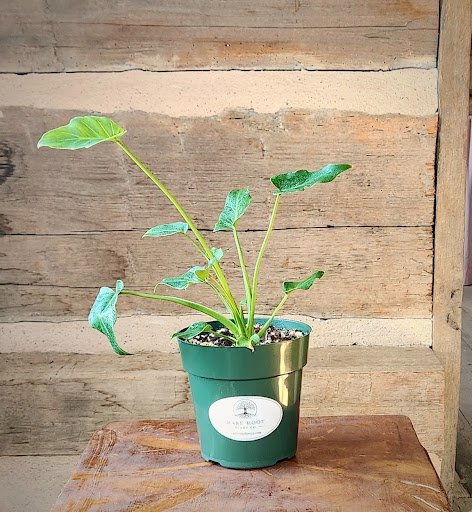
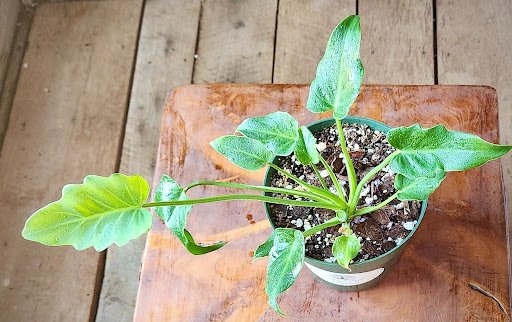
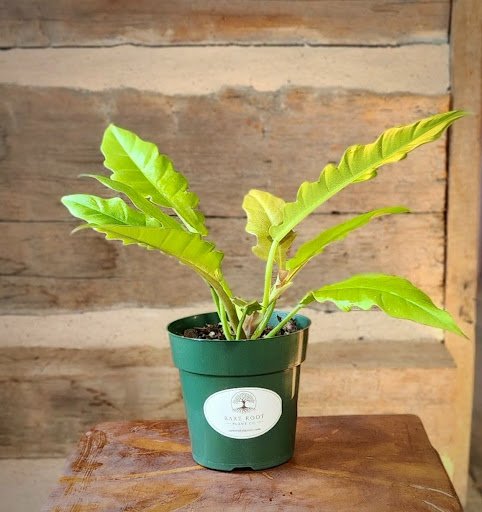
Xanadu develops a dense, mounding and spreading growth habit rather than behaving as a typical climbing or trailing Philodendron. Mature plants can become several feet across when given sufficient space and appropriate growing conditions.
Its deeply divided foliage creates an increasingly lush and architectural appearance as the plant fills out.
Pet Safety
Not pet friendly. Xanadu contains calcium oxalate crystals and should not be ingested. Keep it away from cats, dogs, and children likely to chew foliage. Its sap may also be irritating to skin.
Reviews
There are no reviews yet.